Thinking Wider
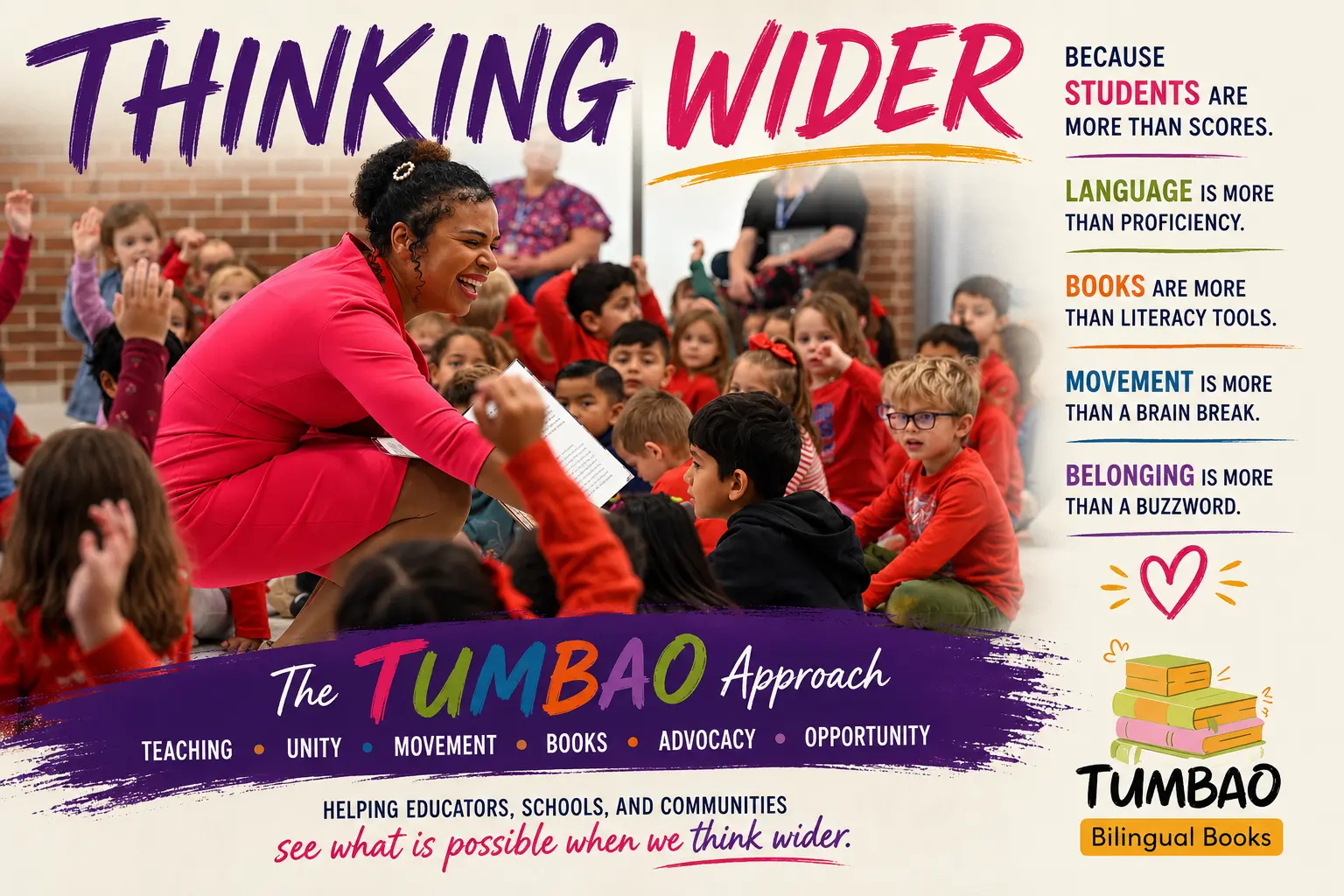
At Tumbao Bilingual Books, our work is guided by a simple but expansive belief: learning deepens when we think wider about language, identity, and belonging.
Thinking Wider is the lens that connects everything we do—from the books we publish, to the teacher guides we design, to the professional learning experiences we facilitate. It reflects our commitment to literacy that honors the full humanity of learners, educators, and families.
What We Mean by Thinking Wider
It means recognizing that:
- Language is an asset, not a deficit
- Culture and identity shape how children learn
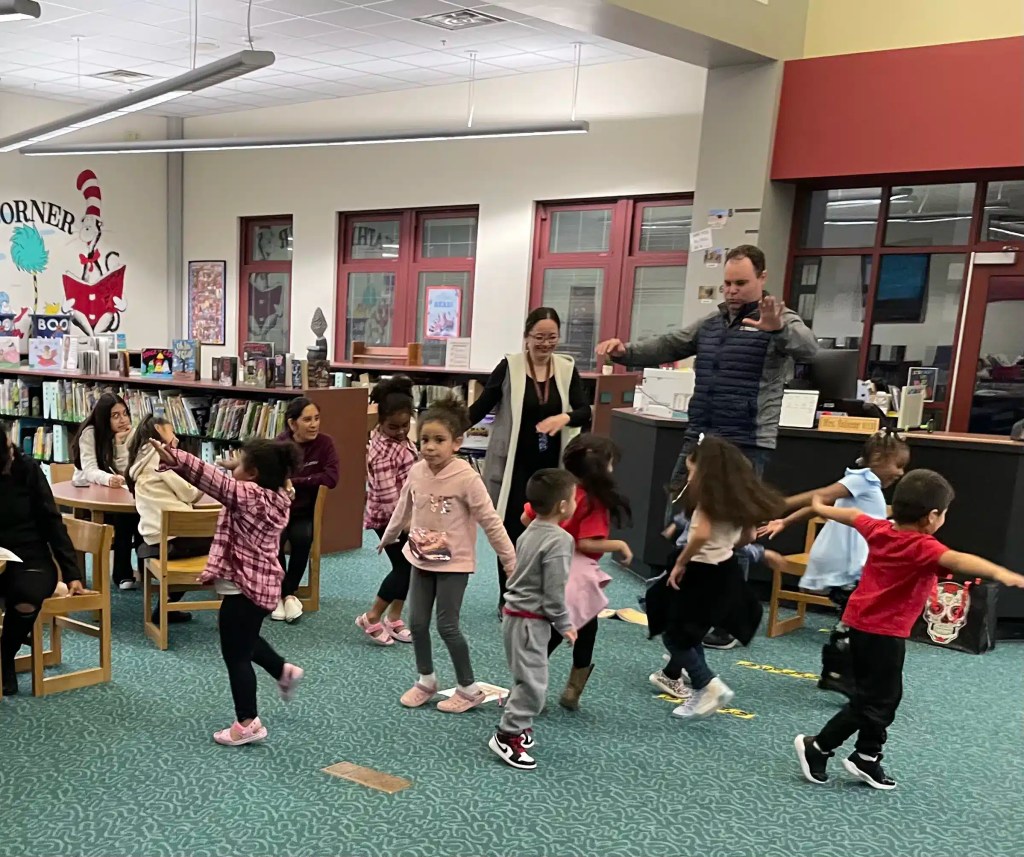
- Movement, story, and connection are integral to meaning-making
- Learning does not live only inside classroom walls
Rather than isolating literacy from community, or instruction from identity, Thinking Wider invites an integrated approach—one that reflects how learning actually happens in real lives and real spaces.
Why This Lens Matters
How Thinking Wider Shows Up in Our Work
Thinking Wider is not a program or a checklist. It is a lens that shapes how we design and support learning across contexts.
Bilingual Books
Our stories reflect children and families whose languages, cultures, and lived experiences are too often underrepresented. We design books that invite connection—between languages, generations, and communities.
Teacher Guides & Classroom Resources
We believe books are most powerful when educators feel supported in using them with clarity and purpose. Our guides translate big ideas into practical, classroom-ready tools that respect teachers’ expertise and time.
Professional Learning & Keynotes
Our workshops, coaching, and keynote experiences support educators in strengthening language-affirming, culturally responsive practice—grounded in real classrooms and real constraints.
Community & Family Engagement
Literacy thrives when families are seen as partners. Our engagement resources and events are designed to strengthen relationships between schools and the communities they serve.
An Invitation
Thinking Wider is an invitation to pause, reflect, and realign.
It asks us to consider not just what we teach, but how and why—and to design learning experiences that honor the full ecosystem surrounding every child.
This lens continues to guide our work as we collaborate with educators, schools, and communities committed to literacy rooted in belonging.