Professional development should leave educators feeling energized. But inspiration alone isn’t the goal.
We’ve all attended workshops that felt engaging in the moment, only to find ourselves back in familiar routines a week later. While inspiration can spark change, lasting improvement happens when new ideas become everyday practice.
So how can school and district leaders tell the difference?
Here are five signs that professional learning is making a meaningful impact long after the session ends.
1. Teachers are trying new strategies, not just discussing them.
The true measure of professional development isn’t what participants say during the workshop. It’s what happens when students walk into classrooms the next day. Are teachers experimenting with new instructional approaches? Are they adapting lessons, asking different questions, or creating new opportunities for student engagement? Small shifts in practice often lead to significant changes over time.
2. Professional conversations become more specific.
When professional learning is effective, conversations move beyond general statements like, ‘That was a great session.’ Instead, educators begin discussing implementation: ‘I tried that discussion strategy with my newcomers.’ ‘Students responded differently when I changed the language supports.’ ‘How could we adapt this for kindergarten?’ The focus shifts from the workshop itself to classroom practice.
3. Students experience the difference.
The ultimate goal of professional learning is improved outcomes for students. When instructional practices evolve, students often become more engaged, participate more confidently, collaborate more effectively, and have greater access to meaningful learning opportunities.
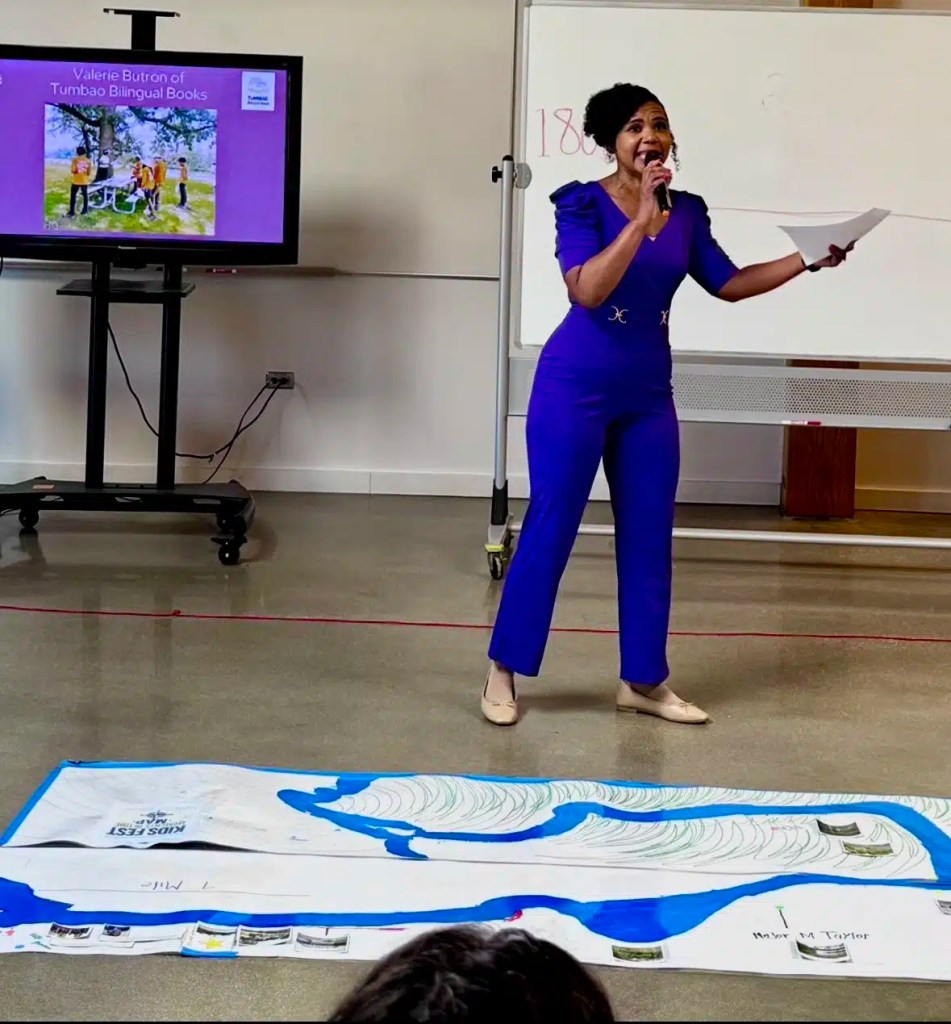
4. Collaboration continues after the workshop.
One-day professional development can introduce new ideas, but sustained growth happens when educators continue learning together. Teams revisit strategies during PLCs, share successes and challenges, observe one another, and refine their practice over time. Professional learning becomes part of the school’s culture rather than a single event on the calendar.
5. Leaders intentionally support implementation.
Even the strongest professional development requires ongoing support. School leaders play an essential role by creating time for reflection, celebrating progress, providing coaching, and encouraging thoughtful risk-taking. When implementation is supported—not simply expected—new practices are far more likely to become lasting habits.
Professional Learning Is a Process, Not a Performance
An engaging workshop matters. Enthusiasm matters. Inspiration matters. But meaningful professional learning is measured by what educators continue to do weeks and months later.
At Tumbao Bilingual Books, we believe professional learning should equip educators with practical strategies they can confidently implement while building a culture of continuous growth that ultimately benefits students.
Because the most successful professional development doesn’t end when participants leave the room. That’s when the real work begins.
Interested in professional learning that leads to lasting classroom impact? We partner with schools and districts to design engaging workshops, coaching experiences, and collaborative learning opportunities that support educators beyond a single day of training. Explore our Professional Development services or contact us to start the conversation.